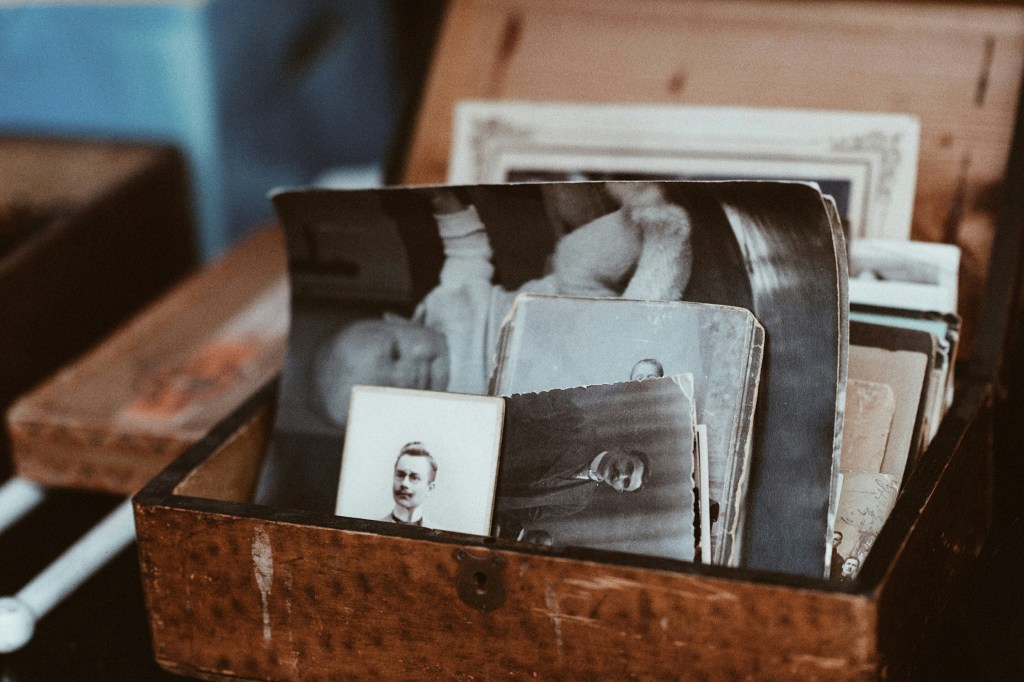
Family history is a treasure trove of memories, stories, and traditions that connect us to our roots. Whether you’ve spent years collecting old photos, documents, and family stories, or are just starting to explore your genealogy, preserving your family history is crucial for keeping your heritage alive for future generations. Here are five effective ways to store and safeguard your family history.
1. Create a Digital Archive
Digitizing your family history is one of the most efficient and secure ways to preserve valuable documents and photos. With the rise of digital tools, it’s easier than ever to store and organize your family’s history online.
- Scan old photos and documents: Use a high-quality scanner to digitize family photos, birth certificates, letters, and other important memorabilia. This not only preserves them but also makes it easier to share them with relatives.
- Cloud storage: Storing these files in a cloud-based system like Google Drive, Dropbox, or iCloud ensures that they are accessible from any device and safe from physical damage. Make sure to back up your files regularly to prevent data loss.
- Digital family tree apps: Genealogy platforms like Ancestry.com, MyHeritage, and FamilySearch allow you to build your family tree online and store information about your ancestors in an organized, searchable format.
Creating a digital archive can help you organize large amounts of information while making it easy to access and share with family members.
2. Compile a Family History Book
A family history book is a wonderful way to compile your family’s stories, traditions, and memories in a tangible format. This project can range from a simple scrapbook to a professionally published book.
- Include family stories and photos: Gather stories from different family members about their childhoods, important events, or notable ancestors. Include photos, newspaper clippings, and personal anecdotes to make the history come alive.
- Genealogical information: Add a detailed family tree that traces your lineage and includes dates, locations, and other key details.
- Hire a professional: If writing or organizing the book feels overwhelming, consider hiring a professional genealogist or writer to help create a polished family history book.
This keepsake can be passed down through generations, ensuring that your family’s legacy endures in a meaningful way.
3. Store Physical Items in Archival-Quality Materials
If you’re preserving original documents, photos, or heirlooms, storing them in the right materials is key to their longevity. Archival-quality storage solutions protect these items from deterioration caused by light, humidity, and acidity.
- Archival boxes and folders: Use acid-free, archival-quality boxes and folders to store important documents, letters, and photos. These materials prevent yellowing and deterioration over time.
- Protect photos: Place photographs in acid-free sleeves or photo albums with acid-free pages to prevent damage. Avoid placing photos in direct sunlight, as UV rays can cause them to fade.
- Label heirlooms: For family heirlooms like jewelry, clothing, or household items, label each item with its origin story. Keep a record of who owned the item and what it represents within the family’s history.
Proper storage will help protect fragile family items, ensuring they stay in good condition for years to come.
4. Record Oral Histories
One of the best ways to preserve family history is through oral storytelling. Recording your family members’ voices as they share memories, anecdotes, or historical insights creates a unique and personal record that written documents often can’t capture.
- Interview relatives: Sit down with older relatives and record conversations about their lives, childhood experiences, and family traditions. Ask about significant events or funny stories that have been passed down.
- Use audio or video tools: Record the interviews using a smartphone, video camera, or digital recorder. Make sure to store these files digitally in a secure place where they can be shared and revisited by future generations.
- Transcribe the stories: To preserve these conversations in written form, consider transcribing the recordings. This can also make it easier for others to access the stories.
Oral histories add a rich, personal layer to your family history that complements written documents and photos.
5. Share Your Family History with Future Generations
One of the most important aspects of preserving family history is passing it on to the next generation. By sharing what you’ve learned and encouraging younger family members to take an interest, you can keep your family’s stories and heritage alive.
- Create family history nights: Organize a family gathering where everyone shares stories, photos, or documents related to their ancestors. This can spark curiosity and encourage younger generations to participate in preserving the family’s history.
- Family history websites: Share your findings on family history websites or social media platforms, making it easy for relatives across the world to access and contribute their knowledge.
- Host genealogy workshops: Help younger family members learn how to trace their genealogy or research their family tree. These skills will empower them to carry on the tradition of documenting the family’s legacy.
By actively involving others, you ensure that your family history is not only preserved but appreciated by future generations.
Preserving your family history is a meaningful way to honor your ancestors and pass down your heritage. Whether you choose to digitize documents, create a family history book, or record oral stories, each method adds value to your family’s legacy. By using these five approaches—digital archiving, printed family books, proper storage, oral histories, and sharing—you can ensure that your family’s stories, memories, and traditions are preserved for generations to come.


 Lovely Lavender
Leave a comment