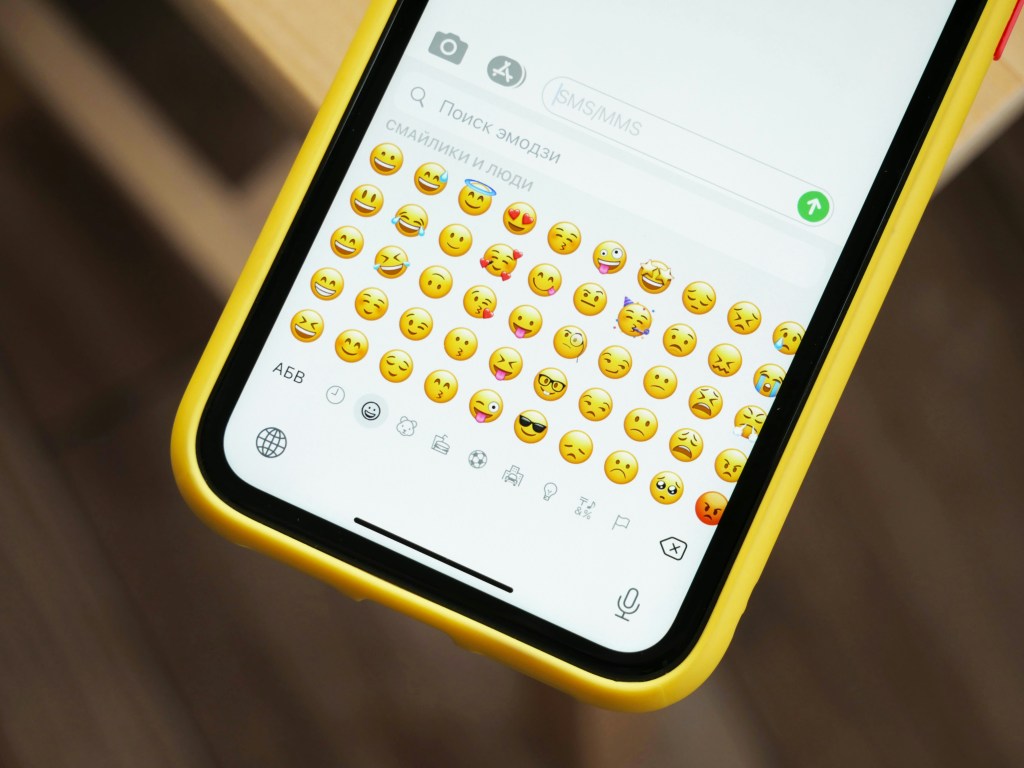
Alexithymia, often described as “emotional blindness,” is a personality trait where people struggle to identify and describe their emotions. This difficulty isn’t about suppressing feelings, but rather an inability to recognize them. If you’ve ever felt disconnected from your emotions or have difficulty empathizing with others, you might wonder if you have alexithymia. Here’s a look at how to identify alexithymia and where to find support if needed.
What is Alexithymia?
Alexithymia, first coined by Dr. Peter Sifneos in the 1970s, combines the Greek words for “no words for emotions.” People with alexithymia tend to struggle with recognizing, understanding, and expressing their emotions. Research from Harvard Medical School suggests that about 10% of the general population experiences some level of alexithymia, and it’s more common among men and people with certain mental health conditions, like autism and depression.
Signs of Alexithymia
Understanding the signs of alexithymia can help you decide if this is a challenge for you. Common signs include:
- Difficulty Identifying Emotions: One of the core traits is the inability to pinpoint specific feelings. Instead of knowing if you’re sad, angry, or anxious, you may just feel “off.”
- Limited Emotional Vocabulary: People with alexithymia often find it hard to describe emotions. You may use phrases like “I’m stressed” or “I’m tired” instead of expressing specific feelings.
- Physical Reactions to Emotions: Often, people with alexithymia are more aware of the physical symptoms of stress, such as muscle tension or stomach discomfort, rather than the emotions causing them.
- Struggles with Empathy: Empathy, or understanding the feelings of others, can be challenging. You may find it hard to interpret facial expressions or body language, which can make social interactions difficult.
- Preference for Logical Thinking Over Feelings: People with alexithymia often rely on logic and facts, which can lead them to appear more pragmatic and less emotional than others.
To further explore these symptoms, check out the Toronto Alexithymia Scale, a commonly used assessment for alexithymia available through the Alexithymia Research Network.
Testing for Alexithymia
If you resonate with these symptoms, you can take a self-assessment or seek professional help. The Toronto Alexithymia Scale (TAS-20), a validated 20-item test, is frequently used in psychological assessments to measure alexithymia levels. Professional mental health providers, such as psychologists or counselors, can administer this test and offer insights based on your results.
Another resource is the online assessment tool offered by the Alexithymia Questionnaire, which can give a preliminary indication of whether alexithymia might apply to you. While online quizzes can be insightful, remember they’re not substitutes for professional advice.
Finding Support
While alexithymia is not a mental disorder, understanding it can help you improve your relationships and emotional awareness. Therapy, particularly cognitive-behavioral therapy (CBT), can be effective in teaching strategies for recognizing and processing emotions. Research from the American Psychological Association (APA) shows that CBT and other therapies focusing on emotional awareness can make a meaningful difference for people with alexithymia.
Support groups and mindfulness practices, such as journaling or meditation, may also be helpful. Mindfulness, as endorsed by Mindful, encourages self-awareness and can help you connect with your emotions on a deeper level.
Final Thoughts
Alexithymia can create challenges, but understanding and addressing it is possible. Whether through self-assessments, therapy, or mindfulness practices, you can gain more insight into your emotions and foster healthier relationships. Take your time exploring these resources and remember that understanding your emotional landscape is a journey.


 Lovely Lavender
Leave a comment