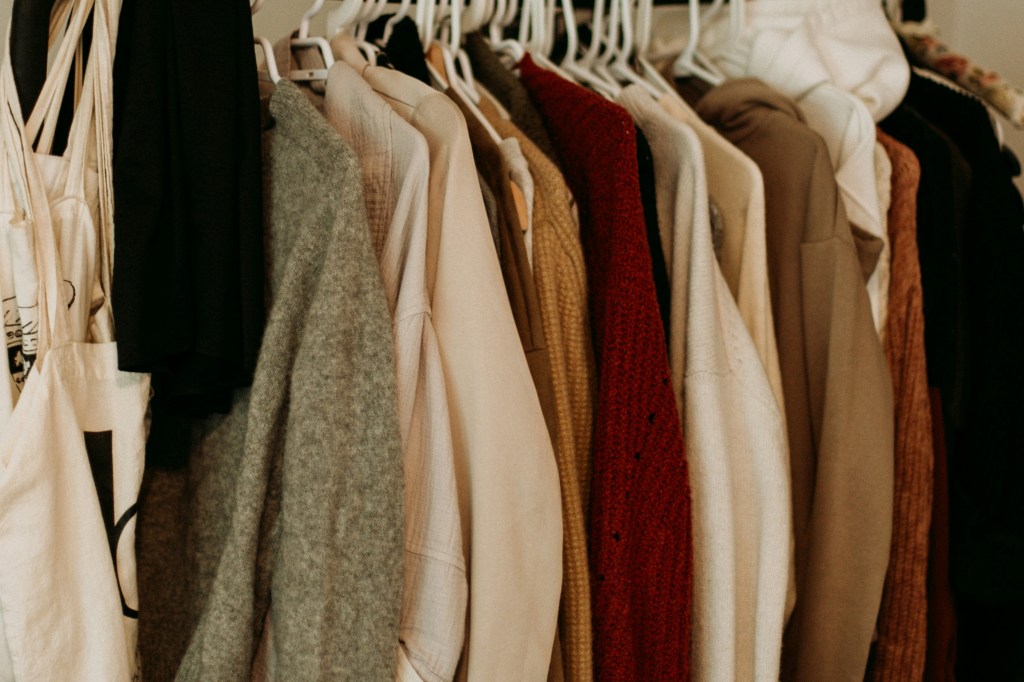
A minimalist wardrobe is all about quality over quantity, embracing simplicity, and curating clothing that reflects your lifestyle, taste, and comfort. Not only does it save time and reduce decision fatigue, but it also encourages conscious consumption and sustainability. If you’ve ever felt overwhelmed by an overflowing closet but still felt like you had nothing to wear, it’s time to simplify and transform your wardrobe with these easy steps.
1. Assess Your Current Wardrobe
Before adding anything new, take a hard look at what you already own. Set aside time to go through each piece in your closet, asking yourself:
- Have I worn this in the last year?
- Does it fit me comfortably?
- Does it suit my current style and lifestyle?
- Do I feel confident when wearing this?
Anything that doesn’t meet these criteria can be donated, sold, or responsibly recycled. Be honest with yourself—this process is about creating space for items that truly serve you.
2. Define Your Personal Style and Lifestyle Needs
Minimalist wardrobes work best when tailored to your lifestyle and style preferences. Consider your daily routine and key activities. Do you work in a formal office, or is your lifestyle more casual? Are you an avid gym-goer, or do you prefer leisurewear?
Identifying your most common settings will help you prioritize clothing that suits your day-to-day needs. Once you have clarity, select a core color palette that complements your complexion and coordinates easily. Neutral tones like black, white, beige, gray, and navy provide a timeless foundation, while pops of color can be added to express your personality.
3. Prioritize Versatility with Capsule Wardrobe Pieces
A minimalist wardrobe typically includes a “capsule” collection of interchangeable pieces that work well together, creating multiple outfits. Start with a few essential items that can be styled for different occasions, such as:
- Tops: Basic tees, a white button-up, a cozy sweater, and a versatile blouse.
- Bottoms: Quality jeans, tailored trousers, and a skirt (if applicable).
- Outerwear: A classic coat, a denim jacket, and/or a blazer.
- Shoes: Comfortable everyday shoes, formal footwear, and sneakers.
- Accessories: A few timeless pieces like a watch, scarf, or minimal jewelry.
The idea is to choose high-quality items that offer flexibility. Investing in quality over quantity pays off, as durable clothing looks and feels better while lasting longer.
4. Adopt a “One In, One Out” Rule
To maintain your minimalist wardrobe, consider adopting the “one in, one out” policy. Every time you buy a new piece, donate or sell an existing item. This practice encourages mindful shopping and prevents your closet from becoming cluttered again.
When shopping, ask yourself if a new piece aligns with your style, fits well, and works with other items in your wardrobe. Consider quality materials and craftsmanship to ensure your new purchase is worth the investment.
5. Embrace Seasonal Decluttering
Minimalist wardrobes thrive with regular decluttering. Each season, take the time to reassess your clothing and adjust as necessary. Pieces that no longer fit your style or needs can be put into storage, donated, or recycled. This allows you to adapt your wardrobe to changing weather and evolving preferences without accumulating excess.
6. Mindful Maintenance and Care
Finally, taking care of your clothing ensures longevity and helps maintain a minimalist approach. Follow washing instructions, invest in garment care tools like steamers or fabric shavers, and mend or tailor items as needed. This not only saves money but also reduces waste.
Final Thoughts
Creating a minimalist wardrobe is about simplifying and curating a collection of pieces that genuinely reflect your lifestyle and values. With thoughtful consideration and consistent maintenance, your wardrobe can become a source of ease and joy, reflecting both your unique style and commitment to intentional living. Not only will you save time and money, but you’ll also embrace a more sustainable and clutter-free approach to fashion. Happy simplifying!



 Lovely Lavender
Leave a comment