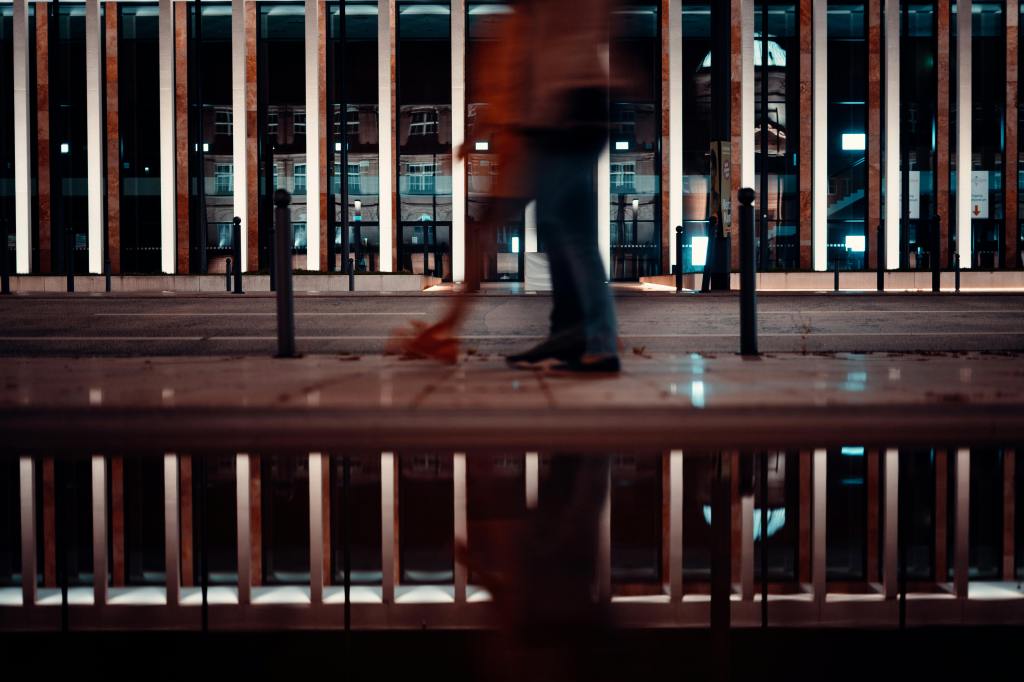
Bollard lights have increasingly become a key element in modern landscape design, merging functionality with aesthetic appeal. These lights are not only practical but also add a beautiful ambiance to outdoor spaces, making them essential for homeowners and property managers seeking to elevate their properties. How do you determine which bollard lights are the right fit for your space? By exploring their uses, styles, and considerations, this guide will help you make an informed choice.
Why Bollard Lights are Essential to Landscape Design
Bollard lights have a dual purpose in outdoor spaces — they provide illumination and enhance the overall aesthetics of the environment. These robust, freestanding light fixtures cater to diverse needs, including safety, accessibility, and beautification. They are highly versatile, offering a functional solution for walkways, gardens, driveways, and commercial spaces.
Enhancing Safety and Security
Strategically placed bollard lights illuminate pathways, driveways, and entrances, reducing the risk of accidents and ensuring safe navigation at night. For urban or residential properties, they serve as essential lighting fixtures to deter unwelcome visitors and improve overall security.
Creating Visual Appeal
Bollard lights effortlessly merge practicality with design. They add charm to gardens, outdoor patios, or commercial landscapes, offering soft and inviting lighting that complements contemporary or traditional aesthetics alike. They can also be used to accentuate landscaping features, such as shrubs, fountains, or sculptures.
Versatile Applications
Bollard lights are highly adaptable to different needs:
- Residential use: Highlight walkways, flower beds, or poolsides.
- Commercial spaces: Illuminate driveways, parking lots, or entry points.
- Public areas: Provide lighting in parks, plazas, and pathways.
Key Factors to Consider When Choosing Bollard Lights
To select the ideal bollard lights for your property, focus on functionality, durability, design, and energy efficiency. Prioritizing these aspects ensures that your lights will provide value while enhancing the property’s usability and style.
1. Material Quality and Durability
Outdoor lighting must endure diverse weather conditions, so material quality is crucial. Bollard lights, like those offered by Illuminator Wholesaler, are typically crafted from materials such as stainless steel, aluminum, or robust plastics. Stainless steel is both rust-resistant and sleek, making it ideal for harsh conditions and stylish designs. If longevity is a significant concern, look for UV-stabilized options to minimize wear due to sun exposure.
2. Lighting Type and Beam Angle
The type of bulb used in your bollard lights determines their energy consumption, brightness, and longevity.
Common options include:
- LED Lights: Known for efficiency and a lower environmental impact.
- Solar-Powered Lights: Ideal for eco-friendly properties, requiring no external power source.
- Halogen Bulbs: Offer bright, warm lights but consume more energy.
Consider the beam angle of the lights, as it dictates the coverage area of the illumination. Narrow beams work best for pathways, while wider beams suit open spaces like gardens or patios.
3. Design Aesthetics
Your choice of bollard lights should reflect the design theme of your property. Whether sleek and modern or rustic and vintage, these lights come in myriad styles to complement your aesthetics. Choose designs that blend seamlessly with the surrounding space while standing out as thoughtful additions.
4. Energy Efficiency
Energy usage is a crucial aspect to keep in mind, especially for spaces requiring longer hours of illumination nightly. LED and solar-powered bollard lights are excellent sustainable choices that save on energy bills over time.
5. Light Level and Color Temperature
The brightness and color temperature of bollard lights set the tone of your outdoor space. Warm white lights (2700K–3000K) create a cozy and welcoming atmosphere, perfect for gardens. Cooler tones (3500K–4000K) are more suitable for modern architecture or commercial spaces, where clean, crisp lighting is preferred.
6. Height and Placement
The height of bollard lights affects their lighting output and coverage:
- Shorter bollards produce localized lighting, ideal for pathways or flowerbeds.
- Taller bollards provide broader illumination and are better suited for driveways or parking areas.
Carefully plan the placement of your bollard lights to achieve optimal lighting balance. Spaced too close, they may appear overpowering. Spaced too far apart, they might leave dark gaps.
Practical Tips for Installing Bollard Lights
Proper installation of bollard lights not only extends their lifespan but also optimizes their performance. Here are a few quick tips for successful installation:
- Spacing Guidelines: Place the lights 2–4 meters apart for uniform lighting. Adjust based on beam coverage and space requirements.
- Stable Foundations: Ensure that each bollard light has a solid foundation, particularly in soft soil conditions.
- Wiring Considerations: Solar-powered lights work well in remote areas, while wired installations generally require professional expertise.
Final Thoughts on Choosing Your Bollard Lights
Selecting the right bollard lights for your property requires balancing aesthetics, functionality, and environmental consciousness. These understated but impactful fixtures can redefine your outdoor spaces, offering both safety and style in equal measure.
Whether you’re curating the garden of your dreams or upgrading your commercial property, investing in high-quality bollard lights is a decision that pays off in resilience, beauty, and peace of mind.



 Lovely Lavender
Leave a comment