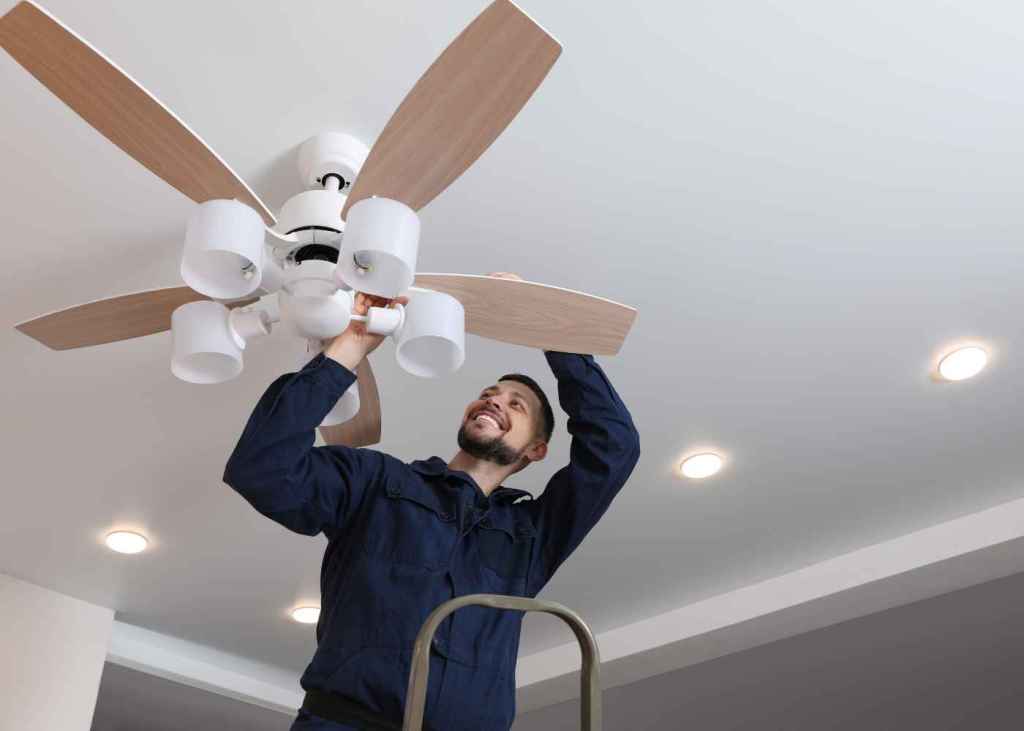
Installing a ceiling fan might seem straightforward at first glance—after all, how complex can it be to attach a spinning device to your ceiling? Yet countless homeowners who’ve attempted this DIY project discover too late that ceiling fan installation involves intricate electrical work, careful balance considerations, and precise structural mounting. Professional installation transforms this potentially frustrating endeavor into a stress-free experience that guarantees both safety and optimal performance.
Ensuring Safe Electrical Connections
Ceiling fans involve complex electrical work that extends beyond simple plug-and-play operations. Professionals understand the intricacies of home wiring systems, from identifying proper voltage to handling ground wires correctly. They can navigate older homes with outdated electrical systems and ensure compatibility with modern fan requirements.
Licensed electricians also recognize potential hazards that inexperienced installers might overlook. They check for proper circuit loads, verify appropriate amp ratings, and install necessary electrical boxes rated for ceiling fan weight and movement. These crucial safety measures prevent electrical fires, short circuits, and dangerous malfunctions that could threaten your home and family.
Achieving Perfect Balance for Smooth Operation
Nothing ruins the comfort of a ceiling fan quite like wobbling, shaking, or annoying vibrations. Professional installers possess the expertise to achieve perfect balance, understanding how blade weight distribution, mounting angles, and structural support affect performance. They know which mounting hardware suits different ceiling types and can adjust blade pitch to optimize airflow.
When fans wobble, they’re not just irritating—they’re experiencing unnecessary stress that shortens their lifespan. Professionals use specialized balancing techniques and tools to eliminate these issues from the start, ensuring your fan operates smoothly and quietly for years to come.
Selecting Proper Support Structures
Ceiling fans are considerably heavier than standard light fixtures and generate dynamic loads during operation. Professionals assess ceiling joists, determine appropriate mounting locations, and install reinforced electrical boxes when necessary. They understand the critical difference between boxes rated for stationary lights versus those designed for moving fixtures.
In homes with high ceilings, professionals can also recommend and install proper downrods to maintain safe clearance while optimizing airflow. They consider room dimensions, ceiling slopes, and existing structural elements to position fans for maximum effectiveness and safety.
Optimizing Airflow Efficiency
Professional installers understand air circulation patterns and how ceiling fan placement affects cooling efficiency. They consider room layout, window locations, and existing HVAC systems to position fans where they’ll provide maximum comfort benefits. This expertise ensures you’re not wasting energy by running fans in locations where they can’t effectively move air.
Professionals also know how to adjust fan rotation directions seasonally and can program variable speed controls for optimal energy use. Their understanding of airflow dynamics helps create more comfortable living spaces while potentially reducing energy costs through improved air circulation.
Ensuring Code Compliance and Warranty Protection
Building codes govern ceiling fan installation requirements, covering everything from electrical connections to clearance distances. Professional installers stay current with these regulations, ensuring your installation meets all local requirements. This compliance protects you from potential liability issues and ensures any insurance claims related to electrical problems won’t be denied due to improper installation.
Most ceiling fan manufacturers void warranties for improper installation, making professional service essential for protecting your investment. Professionals document their work properly, providing the necessary proof of correct installation that manufacturers require for warranty claims.
Stress-Free Installation Experience
Perhaps the most underappreciated benefit of professional installation is the complete elimination of DIY frustration. No wrestling with instruction manuals, no trips to the hardware store for additional parts, and no anxiety about potentially dangerous mistakes. Professionals arrive prepared with all necessary tools and components, completing the job efficiently while you attend to other priorities.
They handle the cleanup, properly dispose of old fixtures, and ensure your home is left in pristine condition. This convenience allows you to immediately enjoy your new ceiling fan without the stress, time investment, and potential hazards associated with DIY installation.
Final Thoughts
While professional ceiling fan installation represents an added expense, the benefits far outweigh the cost considerations. The combination of safety assurance, optimal performance, warranty protection, and stress-free experience makes professional installation an investment in comfort, peace of mind, and long-term satisfaction. When you consider the potential risks and complications of DIY installation, having experts handle this task emerges as the clear choice for homeowners who value their time, safety, and comfort.


 Lovely Lavender
Leave a comment