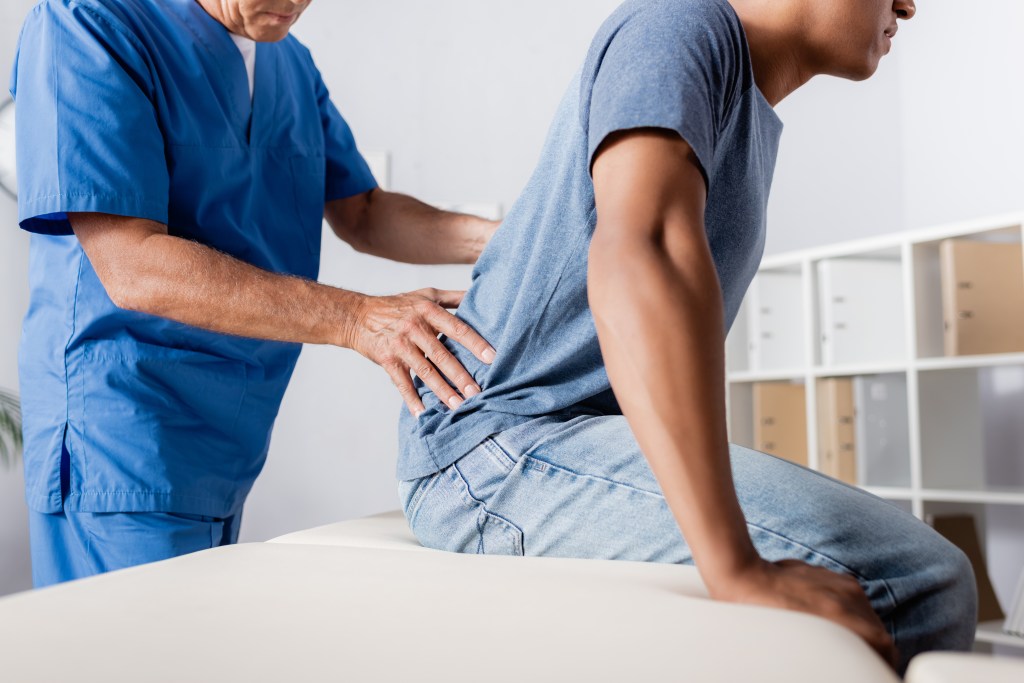
Lower back pain is a common issue that affects millions of people every day. Whether it’s caused by muscle strain, poor posture, or underlying medical conditions, finding effective relief is essential for maintaining an active and healthy lifestyle. While surgery is sometimes necessary for severe cases, many individuals can manage and reduce their pain through non-surgical treatments. By making lifestyle adjustments, using physical therapy, and exploring alternative treatments like spinal decompression therapy, people can improve mobility and reduce discomfort without invasive procedures.
Lifestyle Modifications
One of the first steps in managing lower back pain is making simple lifestyle adjustments. Poor posture, prolonged sitting, and improper lifting techniques can all contribute to back problems. Practicing good posture and using ergonomic furniture can significantly reduce strain on the lower back. Additionally, maintaining a healthy weight helps minimize pressure on the spine, preventing unnecessary stress on muscles and joints.
Sleep plays a critical role in back health as well. Investing in a supportive mattress and adjusting sleeping positions can improve spinal alignment and reduce nighttime discomfort. By incorporating small, mindful changes into daily habits, individuals can prevent pain from worsening while promoting overall back wellness.
Physical Therapy and Exercise
Regular movement and strengthening exercises are key components of non-surgical back pain management. Physical therapy helps improve flexibility, strengthen core muscles, and correct imbalances that contribute to discomfort. Specific stretches targeting the lower back can alleviate tension and improve mobility, while core-strengthening exercises support spinal stability.
Low-impact activities such as yoga, swimming, and walking can be particularly beneficial for individuals with lower back pain. These exercises help maintain mobility without putting excessive strain on the joints. Consistently incorporating movement into daily routines can prevent stiffness and promote long-term relief.
Pain Management Strategies
For immediate relief, various pain management techniques can help reduce inflammation and discomfort. Over-the-counter medications like non-steroidal anti-inflammatory drugs (NSAIDs) or acetaminophen provide temporary relief from soreness. Heat and cold therapy can also help—cold packs reduce inflammation, while heating pads relax tense muscles.
Massage therapy is another effective approach for alleviating pain and improving circulation in the affected area. By reducing muscle tightness and promoting relaxation, massage therapy helps individuals find relief without relying solely on medications.
Spinal Decompression Therapy
Spinal decompression therapy is a noninvasive method for relieving pressure on spinal discs and nerves. This technique involves gentle stretching or specialized traction devices that help elongate the spine, reducing pressure on compressed areas. Many patients with chronic lower back pain experience significant relief through spinal decompression, as it improves circulation and promotes healing.
Chiropractic care and inversion therapy, such as what you can receive from caregivers like Intelligent Health Group, are additional options for spinal decompression. These treatments focus on alignment and reducing nerve compression, ultimately supporting long-term recovery and pain reduction.
Alternative Treatments
Several alternative therapies complement traditional treatments for lower back pain. Chiropractic adjustments help improve spinal alignment, reducing pressure on nerves and promoting better posture. Acupuncture has also been shown to provide pain relief by stimulating nerve pathways and encouraging relaxation.
Mind-body techniques such as meditation, deep breathing exercises, and mindfulness-based stress reduction help manage pain perception and improve overall well-being. Exploring a combination of treatments ensures a well-rounded approach to pain management.
Preventative Measures
While treating existing pain is essential, preventing future episodes is equally important. Avoiding prolonged sitting, maintaining proper lifting techniques, and incorporating regular movement into daily routines can prevent strain on the lower back. Strengthening core muscles and maintaining flexibility also contribute to long-term back health.
Managing lower back pain without surgery is possible through lifestyle modifications, physical therapy, spinal decompression therapy, and alternative treatments. By incorporating these approaches into daily routines, individuals can improve mobility, reduce discomfort, and prevent chronic pain. Consulting with healthcare professionals ensures a personalized treatment plan that supports long-term recovery and overall well-being.


 Lovely Lavender
Leave a comment