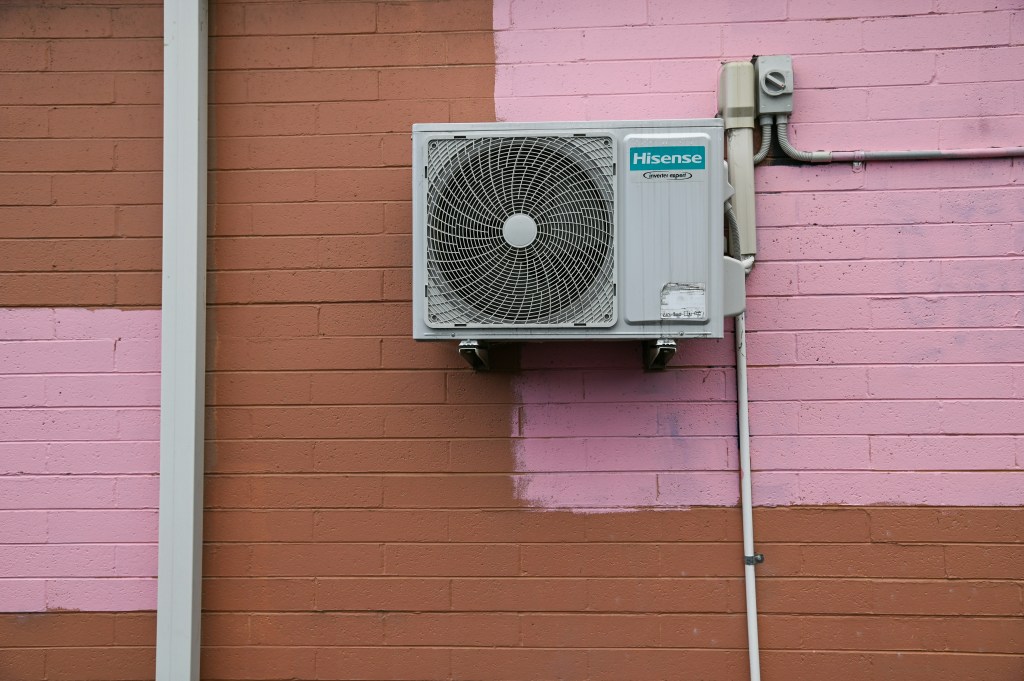
Installing a new air conditioning system is a big investment and a critical step toward ensuring year-round comfort in your home. Whether you’re upgrading an outdated unit or adding a cooling system for the first time, proper planning and installation are key to long-term performance and energy savings. A successful AC install involves more than just selecting a unit and plugging it in. From system size to energy efficiency and even placement, there are many factors to consider. This blog post explores what you should keep in mind before, during, and after your air conditioning installation.
Assessing Your Cooling Needs
Every home is different, and so are its cooling requirements. One of the first steps in the AC installation process is determining the size and type of system your space actually needs. A unit that’s too small will struggle to cool your home efficiently, while an oversized unit may cycle on and off too frequently, leading to increased wear and tear and poor humidity control.
A qualified HVAC technician will perform a load calculation based on several factors, including the square footage of your home, ceiling height, number of windows, insulation quality, and even the amount of direct sunlight your home receives. This detailed assessment ensures that the AC system installed is the perfect fit for your space.
Choosing the Right Type of System
There are several types of air conditioning systems available, including central air systems, ductless mini-split systems, and window or wall-mounted units. Each has its pros and cons, and the right one for your home depends on your layout, budget, and long-term goals.
Central air systems are ideal for larger homes and offer consistent cooling throughout multiple rooms. Ductless mini-split systems, on the other hand, provide flexibility and are a great choice for homes without existing ductwork or for cooling specific zones. Your installer should walk you through each option and help you weigh the benefits of each type based on your unique situation.
Energy Efficiency Ratings
Energy efficiency is a critical factor to consider during an AC install. Efficient systems not only reduce your carbon footprint but also save money on your monthly utility bills. Look for systems with high SEER (Seasonal Energy Efficiency Ratio) ratings. The higher the SEER rating, the more energy-efficient the unit.
In addition to SEER ratings, other energy-saving features such as programmable thermostats, variable-speed motors, and smart controls can further optimize your system’s performance. Investing in an energy-efficient unit may cost more upfront but will pay off in the long run through lower operating costs and reduced environmental impact.
Evaluating Existing Ductwork
If you’re installing a central AC system and your home already has ductwork in place, it’s important to evaluate its condition before installation begins. Leaky, poorly insulated, or clogged ducts can significantly affect your system’s performance and efficiency.
A thorough inspection of the ductwork will reveal any areas that need to be sealed, cleaned, or replaced. Even if your AC unit is top-of-the-line, faulty ductwork can result in uneven cooling, higher energy bills, and added strain on the system. Ensuring your ducts are in good condition is an essential step toward maximizing the benefits of your new AC install.
Proper System Placement
Where your air conditioning unit is placed can impact its effectiveness and lifespan. For outdoor condenser units, placement should ensure adequate airflow and avoid obstructions such as walls, fences, or vegetation. Ideally, the unit should be shaded from direct sunlight to improve efficiency and reduce strain on the system.
Indoor components also need strategic placement to ensure even air distribution and easy access for maintenance. Your HVAC technician should consider factors such as noise levels, airflow patterns, and convenience when determining where to install key parts of the system.
Quality of Installation
The performance of your new AC system is only as good as the quality of the installation. Even the best air conditioners can underperform if not installed correctly. Hiring a licensed, experienced, and reputable HVAC contractor is crucial to ensure that the system is installed according to manufacturer specifications and local building codes.
Ask your contractor about their experience, certifications, and references. A good installer will not cut corners and will take the time to test and calibrate the system to ensure optimal performance. Proper installation also affects warranty coverage, so it’s important to choose a qualified professional.
Budget and Financing Options
Installing a new AC system can be a significant financial investment. Before committing, take the time to review your budget and explore available financing options. Many HVAC companies offer payment plans or special promotions, especially during the off-season.
While it’s tempting to go for the cheapest option, remember that quality, efficiency, and reliability often come at a cost. A slightly higher upfront investment in a better unit or a more experienced installer can save you money in repairs, energy costs, and system longevity over time.
Maintenance and Long-Term Care
Once your AC install is complete, ongoing maintenance is essential to keep your system running smoothly. Regular filter changes, annual tune-ups, and prompt attention to any issues can extend the life of your system and maintain high efficiency.
Some installation companies offer maintenance packages or service agreements, which can be a convenient way to stay on top of system upkeep. Familiarize yourself with your system’s maintenance schedule and keep a record of all service visits to ensure warranty compliance and optimal performance.
Conclusion: Plan Smart for Long-Term Comfort
Installing a new air conditioning system is a big step toward improving your home’s comfort, efficiency, and air quality. By considering important factors such as system size, type, energy efficiency, ductwork, and installation quality, you can make informed decisions that lead to a successful AC install. Don’t rush the process or settle for shortcuts—take the time to consult with professionals, evaluate your home’s unique needs, and choose a solution that fits both your lifestyle and your budget.
With the right planning and expert installation, your new air conditioning system will serve you well for years to come, delivering consistent comfort and energy savings season after season.



 Lovely Lavender
Leave a comment