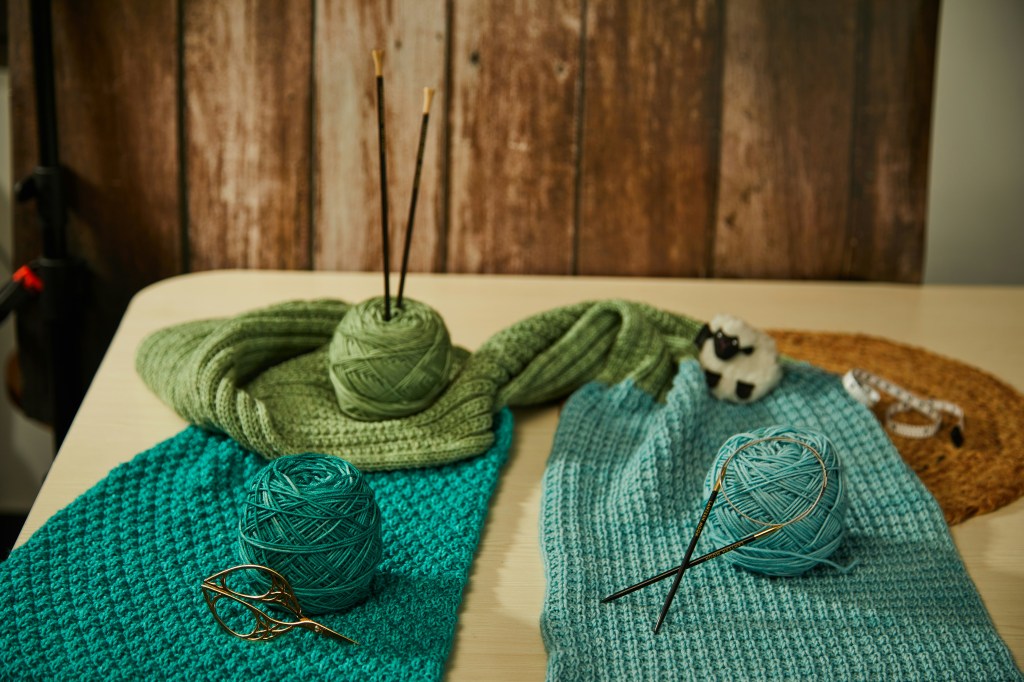
Knitting is more than just a hobby—it’s a creative outlet, a therapeutic activity, and a timeless skill that connects generations. Whether you’re a beginner or a seasoned knitter, the tools you use can make a significant difference in your experience and results. High quality knitting needles and tools are essential for achieving consistent tension, comfortable grip, and clean stitches. With so many materials, styles, and brands on the market, selecting the right tools can feel overwhelming. Understanding what to look for can transform your knitting journey from frustrating to fulfilling.
Start by Identifying Your Skill Level and Project Needs
Before diving into types and materials, it’s important to assess your current skill level and the type of project you’re working on. Beginners often benefit from medium-sized needles and simple tools, while experienced knitters may require specialized items for advanced techniques. Consider the yarn weight, stitch complexity, and project size when selecting your tools. The wrong needle size or slippery material can lead to dropped stitches, hand fatigue, or inconsistent results.
Matching your tools to your pattern requirements ensures that your finished product meets your expectations. It also makes the knitting process more intuitive and less stressful, particularly for larger or time-intensive projects.
Understand the Different Types of Knitting Needles
Knitting needles come in several styles: straight, circular, double-pointed, and interchangeable. Each type has its unique function and is better suited for specific kinds of projects.
Straight needles are ideal for flat pieces like scarves or dishcloths. Circular needles, with a flexible cable connecting two tips, are perfect for large or seamless items such as sweaters and blankets. Double-pointed needles are great for small circular projects like socks and sleeves, while interchangeable needles provide flexibility by allowing you to switch tips and cable lengths as needed.
Understanding when and why to use each type helps you choose the right tool for the job and makes it easier to expand your skill set.
Choose the Right Needle Material for Comfort and Control
Knitting needles are typically made from metal, wood, bamboo, plastic, or carbon fiber. Each material has its own texture, grip, and feel, which can affect how your yarn moves and how your hands feel after extended use.
Metal needles are smooth and fast, ideal for knitters who prefer speed and have tight tension. Wood and bamboo offer a bit more friction, making them suitable for beginners and those who work with slippery yarns. Plastic needles are lightweight and affordable, though they may not last as long or feel as smooth.
High-quality needles, regardless of material, will have a smooth finish, a comfortable grip, and durable construction. Choose a material that complements your yarn and feels good in your hands, especially if you knit frequently.
Pay Attention to Needle Tips and Length
The shape and sharpness of a needle tip can influence how easily you manipulate stitches. Sharp tips are great for lace and intricate patterns, while rounded tips may be better for bulky yarns and simple stitches. Consider what kind of stitch work you typically do and choose tips accordingly.
Length is also important. Shorter needles are easier to handle for small projects, while longer needles are better for wide pieces. Circular needles come in various cable lengths, which can be adjusted depending on the pattern. If you’re not sure, an interchangeable set offers the best of both worlds and is a worthwhile investment for serious knitters.
Don’t Overlook the Importance of Supporting Tools
While needles get most of the attention, other tools are equally important. Quality stitch markers, row counters, tape measures, and scissors can simplify your workflow and prevent mistakes. A sturdy yarn needle helps with seaming and finishing, while a good project bag keeps everything organized and portable.
Consider investing in ergonomic accessories like comfort grips or wrist supports if you knit for long periods. High-quality knitting tools not only last longer but also add to the overall enjoyment of your craft. The small details—like a smooth stitch marker or sharp, clean scissors—can elevate your knitting from good to exceptional.
Look for Tools That Match Your Knitting Style
Every knitter has a rhythm and style unique to them. Some knit tightly and quickly, while others prefer a slower, looser technique. The best tools are the ones that adapt to your style rather than force you to adjust.
Try different needles and materials to find what suits your hand movements and yarn choices. Some knitters even use different needles for different projects—wood for socks, metal for lace, and so on. Don’t be afraid to mix and match or invest in a few high-quality sets that support your knitting style over time.
Consider Portability and Storage Solutions
If you often knit on the go, your tools need to be portable and easy to organize. Look for compact needle sets, folding scissors, and lightweight accessories that fit neatly in a knitting bag or case. A well-designed storage system saves time and frustration, helping you find what you need without digging through piles of mismatched tools.
Interchangeable sets often come with built-in storage solutions that keep tips, cords, and accessories in one place. This not only helps with organization but also protects your investment and keeps your tools in good condition.
Research Reputable Brands and Read Reviews
Choosing high quality knitting needles and tools often means investing a bit more upfront, but it’s well worth the cost. Look for brands known for consistency, craftsmanship, and thoughtful design. Reading reviews from other knitters can offer insights into how a tool performs over time, how it feels in hand, and whether it lives up to its promises.
A respected brand might cost more initially, but it usually means fewer replacements, better results, and a more enjoyable knitting experience in the long run.
Conclusion: Tools That Support Your Craft and Creativity
The right knitting needles and tools do more than perform a function—they enhance your entire knitting journey. Comfort, durability, material, and design all play important roles in helping you bring your creative visions to life. Whether you’re crafting a cozy sweater, an intricate lace shawl, or a colorful baby blanket, the tools you use should work with you, not against you.
Taking the time to choose high quality knitting tools ensures that every stitch is smoother, every project more enjoyable, and every finish more satisfying. Your tools are the silent partners in your craft—choose them with care, and they’ll support you every step of the way.

 Lovely Lavender
Leave a comment