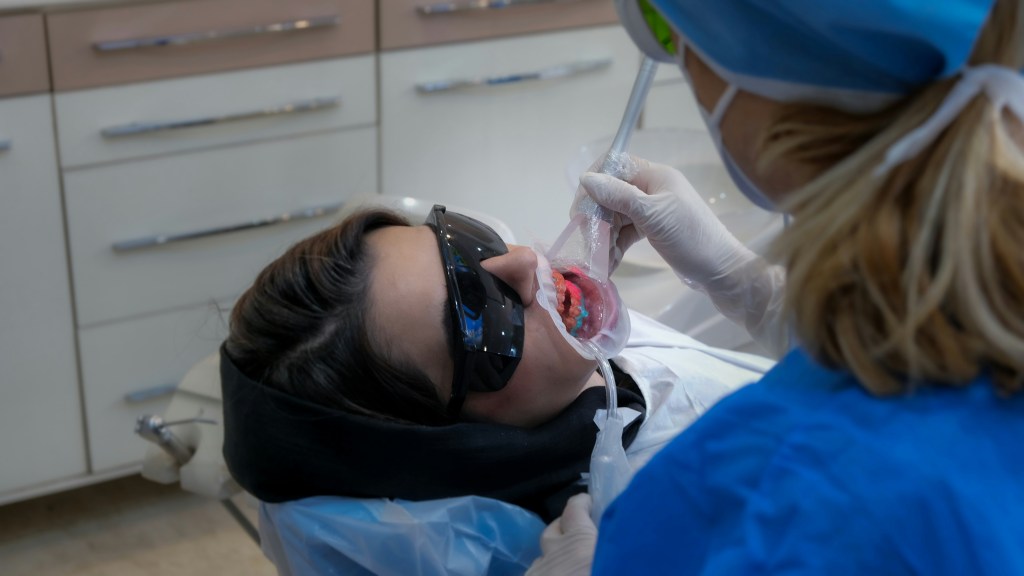
For many people, the thought of visiting the dentist triggers anxiety, discomfort, or even fear. Dental anxiety is more common than most realize, and it affects people of all ages. Whether it stems from a past traumatic experience, a fear of needles, or a general discomfort with medical environments, this anxiety can prevent people from getting the dental care they need. Fortunately, sedation dentistry offers a safe and effective solution for easing those fears and making each visit more comfortable.
Understanding Sedation Dentistry
Sedation dentistry refers to the use of medication to help patients relax during dental procedures. It doesn’t always mean that patients are completely unconscious. In fact, sedation can range from mild relaxation to deeper levels that allow patients to remain conscious but feel detached from the experience. The most common types of sedation include inhaled sedation (such as nitrous oxide), oral sedation (pills), IV sedation, and general anesthesia for more intensive procedures.
Each level is tailored to the patient’s individual needs and the type of treatment being performed. The goal is simple: to create a calm, stress-free environment so patients can receive care without fear or discomfort.
A Solution for Dental Anxiety
One of the biggest benefits of sedation dentistry is how effectively it addresses dental anxiety. For patients who dread the dentist or have avoided appointments for years, sedation provides a way to break the cycle. The calming effects of sedation help quiet the nervous system, reduce heightened sensitivity to pain or sounds, and lessen the sense of time during treatment.
When patients know that their fears will be managed with sedation, they are far more likely to follow through with recommended care. This can lead to better oral health over time, as patients no longer delay essential cleanings, exams, or restorative treatments due to fear.
Improved Comfort During Procedures
Even patients who don’t experience full-blown anxiety may struggle with discomfort during dental visits. Some have a strong gag reflex, difficulty sitting still, or heightened sensitivity in their teeth and gums. Sedation dentistry can help in these cases as well.
With the help of sedation, patients can remain relaxed throughout the appointment. The body stays calm, muscles are less tense, and the dentist is able to perform the procedure more efficiently. For lengthy treatments such as root canals, crowns, or multiple extractions, sedation ensures the process feels quicker and more tolerable.
Efficient and Time-Saving Treatment
When a patient is relaxed, dental professionals can often complete procedures in fewer appointments. This is especially helpful for patients with busy schedules or those who need extensive dental work. Sedation allows the dentist to work faster and more thoroughly without frequent breaks due to patient discomfort or anxiety.
For patients, this means fewer visits to the office and less overall disruption to their daily routine. It also reduces the mental toll that builds when appointments are spread out over weeks or months.
Better Oral Health Outcomes
Avoiding the dentist because of fear often leads to untreated dental problems. Cavities, gum disease, and other issues can worsen when they’re not addressed early. Over time, this neglect can result in serious infections, tooth loss, and costly restorative procedures.
By making dental visits easier and more pleasant, sedation dentistry encourages regular care. Patients are more likely to schedule and attend appointments, stay on track with treatment plans, and maintain healthier teeth and gums. In the long run, sedation can help prevent major dental complications simply by making routine care more accessible.
Safe and Customizable for Each Patient
One of the reasons sedation dentistry has grown in popularity is its safety. Dentists who offer sedation are trained to evaluate patients thoroughly and choose the right method based on medical history, level of anxiety, and the complexity of the procedure.
For example, a patient with mild nerves might benefit from nitrous oxide, which wears off quickly and allows them to drive themselves home. Someone with severe dental phobia might be given a deeper level of sedation under close monitoring. The approach is personalized to each case, ensuring maximum safety and comfort.
Patients with conditions such as PTSD, autism spectrum disorder, or sensory processing disorders can also benefit greatly from a customized sedation plan. Sedation dentistry opens the door to compassionate care for people who might otherwise avoid dental visits altogether.
Positive Experiences Build Better Habits
Another long-term benefit of sedation dentistry is that it can change the way patients view oral care. When someone with dental fear has a positive, stress-free experience thanks to sedation, it begins to replace negative associations with the dentist. This shift in mindset can lead to healthier habits, more trust in their provider, and an overall improvement in health behavior.
Over time, many patients find that they need less sedation as their comfort level grows. What starts as a coping tool becomes the foundation for long-term oral wellness.
A Path to Confidence and Wellness
Dental health is closely tied to overall well-being. When people avoid the dentist due to anxiety, it affects more than just their teeth—it impacts their confidence, their appearance, and their health. Sedation dentistry offers a solution that empowers patients to take control of their oral care.
With reduced fear, increased comfort, and more consistent treatment, patients can smile with confidence again. Sedation dentistry isn’t just about relaxation—it’s about removing barriers and helping people feel safe, respected, and cared for in the dental chair.


 Lovely Lavender
Leave a comment