
Understanding the Role of Your Roof
Many homeowners take their roof for granted until something goes wrong. It’s easy to forget that the roof is your home’s first line of defense against harsh weather, extreme temperatures, moisture, and even pests. It’s not just a layer of shingles or tiles—your roof plays a critical role in the structural integrity, energy efficiency, and comfort of your home.
Yet, despite its importance, the roof is often one of the most neglected parts of a house. Regular inspections and minor repairs are helpful, but over time, materials wear down and the roof will inevitably reach the end of its useful life. That’s when replacement becomes essential—not optional.
When Repairs Are No Longer Enough
There comes a point when patching up leaks or replacing individual shingles simply won’t cut it anymore. Repeated repairs can become a band-aid solution that delays the inevitable while quietly allowing greater problems to develop beneath the surface. Water intrusion, rotting wood, compromised insulation, and even mold growth are just a few of the consequences of an aging roof that’s outlived its function.
Knowing when to replace a roof versus repairing it is critical. Age, recurring leaks, sagging, or missing shingles are all warning signs that your roof may need more than just a quick fix.
Protecting the Structure Below
A damaged or deteriorating roof doesn’t just affect the attic or ceiling. Over time, even minor leaks can lead to serious structural damage to your home. Water can seep into walls, weaken the foundation, and damage insulation, leading to costly repairs that far exceed the price of a timely roof replacement.
Additionally, pests such as insects, rodents, and birds are more likely to infiltrate a compromised roof. This can lead to infestations and health hazards that affect everyone living under it.
Roof replacement is not just about installing new materials—it’s about preserving the home’s structure and protecting everything and everyone inside.
Enhancing Energy Efficiency
Today’s roofing technology offers much more than just a weather barrier. Modern roofing materials are engineered for energy efficiency, reflecting more sunlight and improving ventilation, which helps regulate indoor temperatures. An old roof, especially one with damaged insulation or poor ventilation, can make your heating and cooling systems work harder, driving up your energy bills.
Replacing your roof gives you an opportunity to upgrade to energy-efficient materials that can significantly reduce long-term utility costs. In regions with extreme climates, this upgrade becomes even more valuable.
Boosting Home Value and Curb Appeal
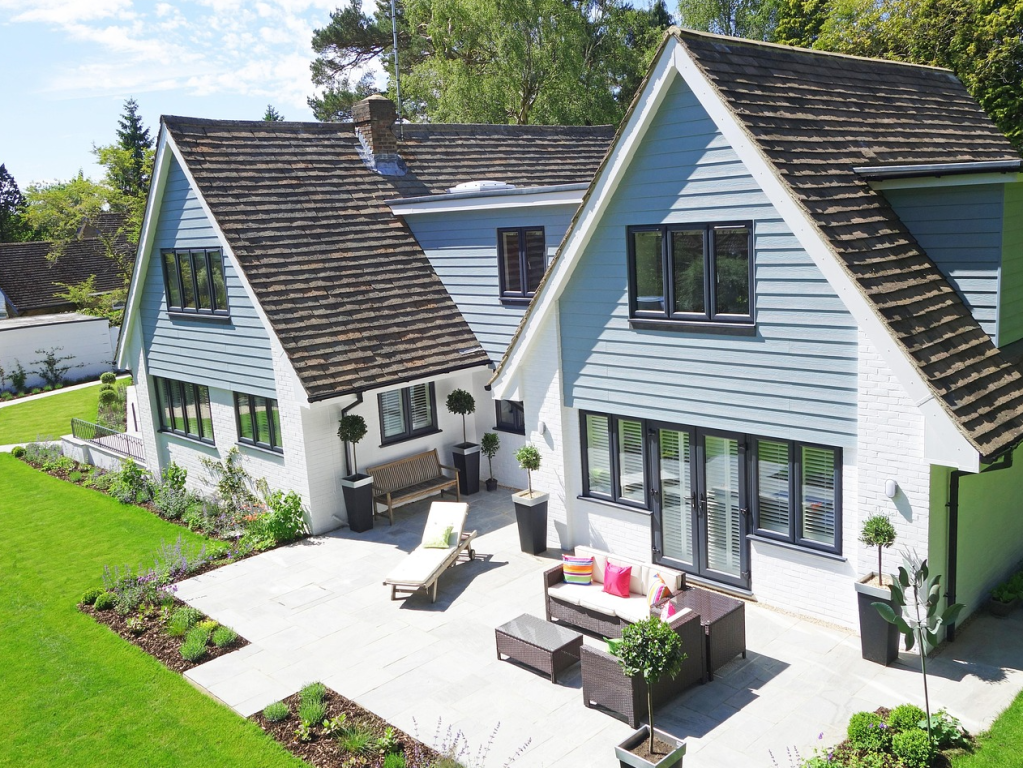
A new roof dramatically enhances your home’s exterior appearance. Whether you’re planning to sell soon or just want your property to stand out, roof replacement is one of the most noticeable improvements you can make. Potential buyers often see a new roof as a major value-add, providing peace of mind and reducing the chance of unexpected repairs after purchase.
Real estate professionals agree: homes with new roofs tend to sell faster and at a higher price than those with aging or obviously worn roofing. It’s a powerful statement that the home is well-maintained and future-ready.
Peace of Mind That Pays Off
Knowing that your roof is solid, secure, and designed to withstand the elements brings a level of comfort that’s hard to quantify. Homeownership comes with plenty of stressors, but your roof shouldn’t be one of them. Replacing an old or unreliable roof reduces the chances of emergency repairs during a storm or after a heavy snowfall, offering a sense of stability you can’t put a price tag on.
Many roof replacements also come with warranties that protect you for decades, depending on the materials and contractor. That peace of mind alone is worth the investment.
The Financial Sense of Timely Replacement
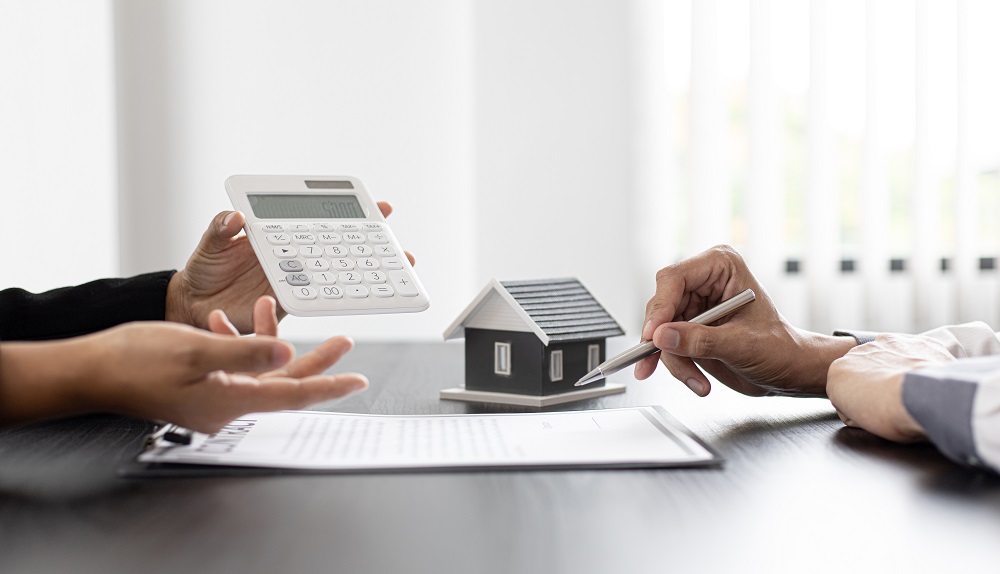
Some homeowners hesitate to replace their roof due to the upfront cost. However, postponing roof replacement can often lead to greater expenses down the road. Emergency repairs, water damage restoration, and escalating energy bills can add up quickly.
On the other hand, replacing your roof at the right time can qualify you for insurance benefits, tax credits, or energy rebates, depending on your location and the type of roof you install. In many cases, the long-term savings far outweigh the initial cost.
A Necessary Step Toward a Safer Home
Ultimately, roof replacement is about more than aesthetics or preventing leaks. It’s about ensuring your home continues to be a safe, dry, and healthy place for you and your family. The roof is a silent protector—when it fails, everything underneath is vulnerable.
By proactively replacing your roof when it’s due, you’re not just fixing a part of your house—you’re reinforcing your home’s future.
Conclusion: An Investment in Longevity
Waiting too long to replace your roof can lead to damage that isn’t just costly—it can be dangerous. While it’s a significant investment, roof replacement offers long-term benefits that touch every corner of your home. From energy savings to structural protection, enhanced resale value to daily comfort, the importance of a strong, reliable roof cannot be overstated.
So when your roof starts signaling it’s time for change, listen. It’s not just about shingles—it’s about shielding what matters most.

 Lovely Lavender
Leave a comment