The difference between playing a sport and truly investing in it comes down to commitment. Real investment means treating your athletic development as a complete system—where equipment, training, nutrition, and recovery all work together to create meaningful progress over time.
Gear That Matches Your Goals
Smart equipment choices start with understanding your specific needs rather than chasing the latest trends or most expensive options.
Get the Right Fit First
Customized equipment goes beyond buying premium gear—it means finding what works best for your body and playing style. A tennis player might focus on racket weight and grip size, while a cyclist prioritizes proper bike fitting for power and comfort. These details create immediate improvements and prevent long-term problems.
Upgrade Strategically
Moving from beginner to mid-level equipment usually provides huge improvements. Going from good to elite gear offers smaller gains that only matter at higher competitive levels. Focus your upgrades on areas that directly impact your biggest weaknesses—better running shoes for improved biomechanics often matter more than a fancy GPS watch.
Make It Personal
Personalizing your gear adds ownership and confidence. That could mean custom colors, engraved initials, or tailored adjustments like grip thickness, string tension, or shoe insoles. These details aren’t just cosmetic; personal touches often improve comfort, motivation, and your emotional connection to the sport.
That being said, aesthetics matter more than many athletes admit. Gear that reflects your style, through color coordination, team identity, or visual flair, such as what can be accomplished with the help of professionals like Salted City Sports, can elevate the psychological side of performance. Feeling good in and with your gear leads to greater confidence, stronger focus, and better presence during training or competition.
For deeper personalization, consider working with a professional fitter, equipment specialist, or sport-specific retailer. They can analyze body mechanics, technique, and sport demands to suggest customizations that improve performance and reduce injury risk. Whether you’re adjusting weight distribution on a bat or reconfiguring cleats for turf conditions, expert input can turn small changes into big advantages.
Training That Elevates Skills
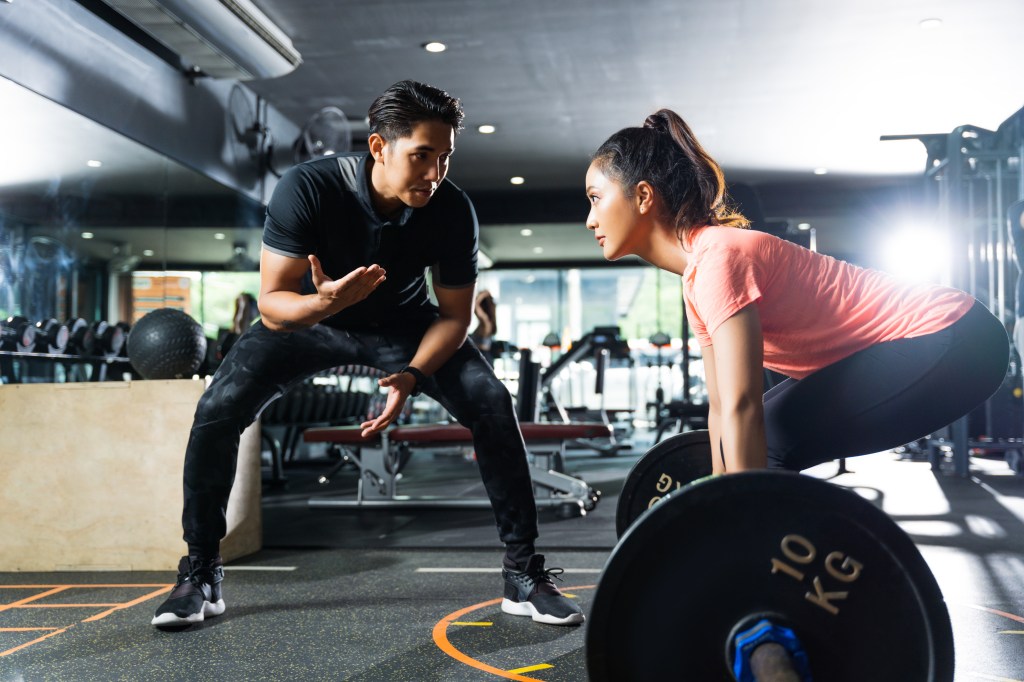
Structured training is probably the best investment you can make in your athletic development. While practicing on your own has value, expert guidance accelerates progress and prevents frustrating plateaus.
Work with Experts When Possible
Certified trainers who specialize in your sport bring knowledge that takes years to develop on your own. They spot technique flaws you can’t see, design training that targets your specific weaknesses, and help you build on existing strengths efficiently.
Follow Progressive Programs
Good training plans create sustainable improvement through carefully structured challenges. They balance hard work with recovery, vary training to prevent plateaus, and include measurable goals that track your progress. This systematic approach prevents both overtraining injuries and undertraining stagnation.
Add Complementary Training
Sport-specific skills are just one piece of athletic performance. Strength training improves power and prevents injuries. Flexible work enhances movement and efficiency. Mental conditioning develops focus and resilience. Cross-training keeps things interesting while building overall athleticism.
Nutrition That Supports Performance
Athletic nutrition goes beyond eating healthy; it becomes a performance tool that fuels training, speeds recovery, and optimizes your body for sport demands.
Get Personalized Guidance
Nutritionists who understand sports can provide advice that generic healthy eating tips can’t match. They help you time meals with training, adjust nutrition for different phases, and work around preferences or sensitivities that affect consistency.
Don’t hesitate to reach out to qualified professionals such as registered dietitians with a background in sports, certified nutrition coaches such as those at Plan 7 Coaching, or even team-based performance specialists. Their experience can help you avoid fad diets, supplement misuse, and guesswork around fueling your body. A short consultation or ongoing plan can have a major impact, especially when paired with structured training.
Use Smart Supplementation
Focus on evidence-based products that address specific needs rather than believing supplement marketing claims. Creatine helps power athletes, beta-alanine benefits endurance sports, and protein powder offers convenient post-workout nutrition. Skip expensive proprietary blends for single-ingredient supplements with solid research support.
Build Daily Discipline
Consistent nutrition habits matter more than perfect meals. This means planning pre-workout fuel that provides steady energy, post-workout nutrition that speeds recovery, and daily eating patterns that support your body composition goals. The boring basics of meal prep and timing often matter more than exotic superfoods.
Support Systems and Recovery
What happens between training sessions often determines how well your next workout goes and your long-term progress.
Take Care of Your Body Proactively
Regular physiotherapy prevents small issues from becoming big injuries. Massage therapy improves circulation and reduces muscle tension. Recovery services like cryotherapy or compression therapy can speed healing between intense sessions.
Train Your Mind Too
Mental skills separate good athletes from great ones. Sports psychology helps manage competition nerves and maintain focus. Mindfulness improves body awareness and present-moment attention. Visualization creates neural pathways that improve learning and performance under pressure.
Use Technology Wisely
Data can guide smart training and recovery decisions. Heart rate variability shows when your body is ready for hard training versus when it needs rest. Sleep tracking reveals patterns that impact performance. Power meters and GPS devices provide precise feedback that accelerates skill development.
Strategic Financial Planning
Effective sport investment requires smart thinking about how to spend limited resources for maximum impact.
Focus on High-Impact Areas
Spend money where it creates meaningful improvements in performance, enjoyment, or safety. A beginner swimmer benefits more from stroke lessons than from an expensive wetsuit. An experienced cyclist might gain more from professional bike fitting than component upgrades. Find your biggest limiters and invest there first.
Plan for Long-Term Growth
Spread upgrades over seasons rather than buying everything at once. This lets you learn what features matter most while spreading costs over time. It also prevents buying advanced equipment before you develop the skills to use it effectively.
Balance DIY with Professional Help
Some things you can learn yourself with good resources—basic strength training or nutrition planning. Others benefit significantly from professional expertise—technical skill correction or injury rehabilitation. Be honest about your learning style, available time, and the complexity of what you’re trying to improve.
Building real results in your sport comes from consistent, strategic choices made over time rather than dramatic short-term efforts. Approach your sport with intention and a growth mindset, treating each investment decision as a step toward your goals—the most valuable investments often address your specific needs and support steady progress rather than chasing expensive or glamorous options.

 Lovely Lavender
Leave a comment