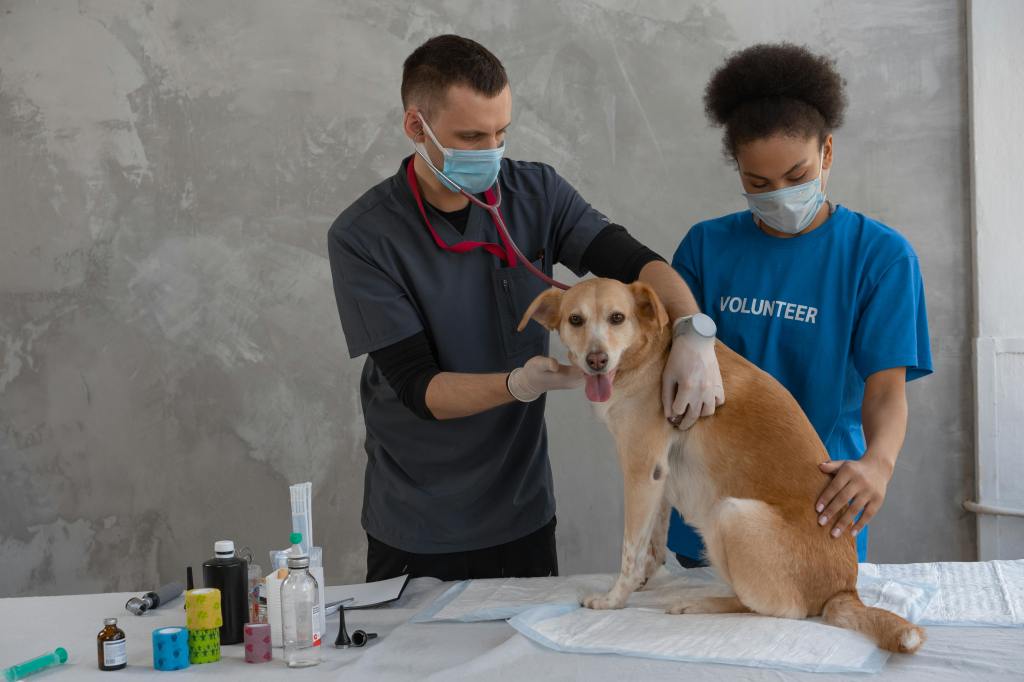
Rabies remains one of the most feared viral diseases in the world, and for good reason. Despite major advances in animal care, rabies still poses a significant threat to both pets and humans. Because the virus attacks the central nervous system and is almost always fatal once symptoms appear, prevention is the only effective protection. This is why rabies vaccination is not just a routine veterinary recommendation—it is a vital responsibility for every pet owner. Understanding the importance of these vaccinations and their long-term benefits helps ensure the safety, health, and well-being of pets and the communities they live in.
Understanding the Threat of Rabies
Rabies is a viral infection transmitted primarily through the bite or scratch of an infected animal. Although many people believe rabies is rare today, the virus continues to circulate in wildlife populations, especially among bats, raccoons, foxes, and skunks. Even indoor animals can be unexpectedly exposed, as wildlife sometimes enters homes, garages, or yards. Because the virus can remain hidden for weeks before symptoms appear, exposure is not always immediately obvious. This unpredictable nature makes vaccination indispensable. The vaccine creates a shield of immunity that stops the virus before it has the chance to take hold, giving pets a chance at long, healthy lives.
Protecting Pets From an Incurable Disease
Rabies is almost always fatal once neurological signs develop. There is no cure and no effective treatment. Vaccination is the only reliable protection against the disease. When pets receive their rabies shots on schedule, they develop strong immune defenses that neutralize the virus before it can spread through the body. This protection lasts for years, depending on the type of vaccine used. Whether you have a playful dog that loves outdoor adventures or a quiet indoor cat, both can benefit from the safeguard that vaccination provides. A single encounter with an infected animal is all it takes to put a pet’s life at risk—vaccination removes that danger.
Safeguarding the People Around You
Rabies is not just a pet health concern—it is a serious public health issue. Infected pets can easily transmit the virus to humans through bites, scratches, or even contact with infected saliva. Post-exposure treatment for humans requires multiple medical visits and can be costly and stressful. Vaccinating pets dramatically reduces the chance of human exposure. Because pets often act as the first point of contact between wildlife and people, their immunity is crucial for creating a protective barrier for families, neighbors, and the broader community. Protecting your pet means protecting the people you care about as well.
Meeting Legal and Community Standards
In many regions, rabies vaccination is required by law for dogs and sometimes for cats and other domestic animals. These laws exist to ensure a high level of public safety and to prevent the reemergence of rabies outbreaks. When your pet is vaccinated, you comply with local regulations and avoid legal issues such as fines, quarantine periods, or mandatory testing. If an unvaccinated pet bites someone, even by accident, the consequences can be serious. Keeping vaccinations up to date preserves your pet’s freedom and prevents them from facing unnecessary isolation or risk.
Making Travel and Boarding Stress-Free
If you plan to travel with your pet, whether domestically or internationally, rabies vaccination is almost always required. Airlines, hotels, boarding facilities, groomers, and pet daycares typically demand proof of vaccination before accepting an animal. This requirement ensures the safety of all animals and people involved. Staying current with rabies shots prevents unnecessary complications, delays, or restrictions. Instead of scrambling for documents at the last minute, pet owners with vaccinated animals enjoy smoother, more convenient experiences in all travel and care situations.
Reducing the Spread of Disease in the Community
Rabies vaccinations contribute to a healthier community by reducing the overall circulation of the virus. Vaccinated pets act as a barrier that prevents rabies from spreading from wildlife to people. When a high percentage of pets are vaccinated in a community, the chances of an outbreak drop significantly. This concept, similar to herd immunity, protects vulnerable animals and helps keep neighborhoods safe. Choosing to vaccinate your pet is more than a personal choice—it is a contribution to public health and safety.
Supporting Long-Term Wellness
Rabies vaccinations are often given during routine veterinary visits, which encourages regular checkups for your pet. These visits allow veterinarians to assess overall health, identify early signs of illness, and recommend preventive care strategies. Vaccination, therefore, becomes a gateway to comprehensive health management. Pets who receive regular care tend to live longer, healthier lives with fewer complications. Rabies shots are just one part of a broader foundation of wellness that keeps your pet active and thriving.
Peace of Mind Through Prevention
For many pet owners, the emotional benefit of knowing their pet is protected is just as important as the physical protection itself. Rabies is a frightening disease, but vaccination eliminates the uncertainty and fear associated with potential exposure. Whether your pet wanders outside, interacts with unfamiliar animals, or accompanies you on outdoor adventures, you can feel confident that they are safe. This peace of mind is invaluable, especially knowing you’ve taken the right preventive steps to protect your pet and your household.
Conclusion
Rabies vaccinations are crucial for safeguarding the health of pets, protecting the people around them, and supporting community safety. The benefits reach far beyond basic disease prevention. They provide legal security, simplify travel, encourage overall wellness, and empower pet owners with peace of mind. Rabies remains a real and serious threat, but consistent vaccination eliminates the danger and ensures that pets can enjoy long, healthy, and joyful lives. Ultimately, choosing to vaccinate is choosing responsibility, protection, and love—because keeping pets safe protects everyone.



 Lovely Lavender
Leave a comment