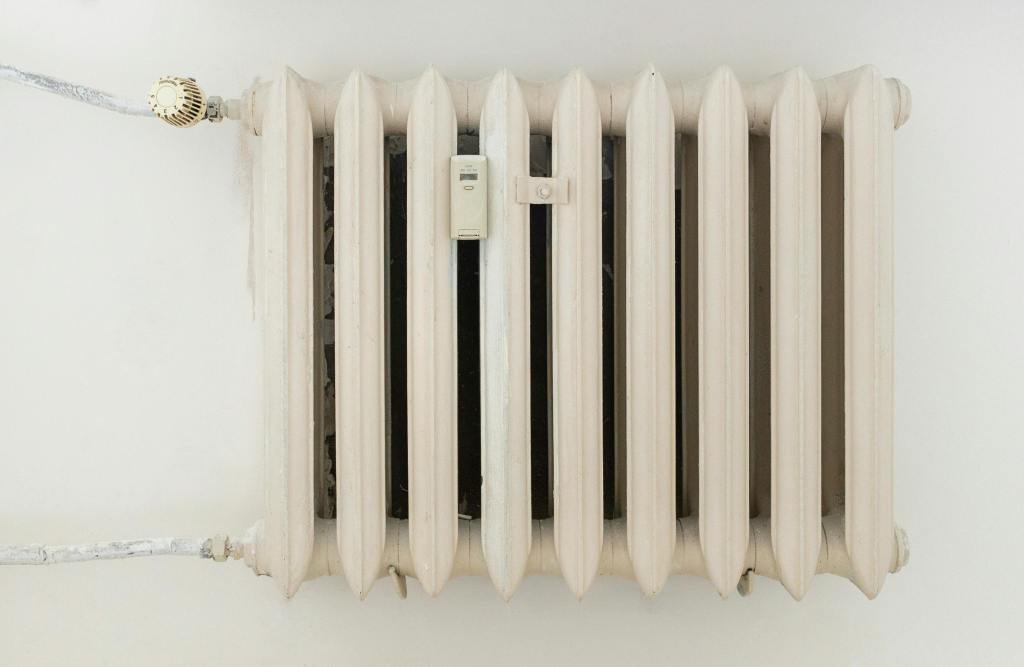
A home heater is more than just a comfort device during chilly months—it is essential for safety, energy efficiency, and the well-being of your household. Many homeowners ignore small issues until the system stops working entirely, often during the coldest days of the year. Understanding the signs that your heater needs repair can prevent emergencies, save money, and ensure consistent warmth.
Strange Sounds That Signal Trouble
Every heater makes some noise, but unusual sounds are often a warning. Clanging, squealing, rattling, or banging noises usually indicate loose components, worn-out belts, or problems with the blower motor. Ignoring these sounds can lead to more significant damage, resulting in higher repair costs or even a total system failure. Paying attention to what your heater is telling you through sound can prevent these issues and extend the life of your system.
Uneven Heating in Your Home
If some rooms feel warm while others are consistently cold, your heater may be struggling to distribute air effectively. Uneven heating can result from blocked vents, ductwork leaks, or a malfunctioning thermostat. Left unaddressed, these problems force your system to work harder, increasing wear and energy consumption. Noticing this sign early allows you to fix the root cause before it escalates into a major repair.
Higher Energy Bills
A sudden jump in your energy bill without increased usage can indicate inefficiency in your heating system. Worn-out components, clogged filters, or failing motors make heaters work harder to maintain temperature. Recognizing unusual spikes in utility bills is an easy way to spot potential problems early, allowing you to schedule repair before energy waste becomes costly.
Frequent Cycling On and Off
A heater that turns on and off repeatedly is another warning sign. Known as short cycling, this behavior can indicate a thermostat problem, dirty air filters, or electrical issues. Frequent cycling strains the system, reducing its lifespan and causing uneven heating. Identifying short cycling quickly can prevent further damage and maintain comfort in your home.
Odd Smells
Any unfamiliar smell coming from your heater deserves immediate attention. A burning smell can suggest overheating electrical components, while a musty odor might indicate mold growth in ducts. Gas heaters may even produce a faint gas smell, signaling a dangerous leak. These odors are not just nuisances—they can indicate risks to your health and safety, making prompt repair critical.
Physical Signs of Wear
Visual inspection can reveal clues about your heater’s condition. Rust, corrosion, soot buildup, or damaged wiring are indicators that maintenance is needed. Loose panels or broken components may seem minor, but they can lead to serious problems if left unchecked. Regularly examining your heater helps you catch these signs early, keeping the system safe and efficient.
Frequent Repairs
Repeated visits from a technician are often a red flag. Multiple minor repairs can indicate aging components or underlying issues that are worsening over time. If your heater requires frequent attention, it may be more cost-effective to schedule a comprehensive repair rather than continuing with temporary fixes. Early intervention can prevent a complete breakdown during peak cold periods.
Reduced Airflow
When warm air struggles to circulate through your home, it is often a sign of clogged filters, dirty vents, or problems with the blower fan. Decreased airflow reduces efficiency, forces the heater to work harder, and can make rooms uncomfortably cold. Addressing airflow issues promptly helps maintain comfort and prevents further strain on the system.
Age of Your Heater
Every heating system has a lifespan, typically between 10 and 20 years depending on the model and usage. As heaters age, their efficiency declines, components wear out, and the risk of failure increases. Knowing the age of your system, combined with regular maintenance and timely repairs, helps you plan for replacement before a total breakdown occurs.
Prioritizing Safety
Above all, safety is a key reason to recognize when a heater needs repair. Carbon monoxide leaks, electrical faults, or overheating components can pose serious hazards. Any unusual performance, sound, or smell should trigger immediate home heater repair by a qualified professional. Prioritizing safety ensures that your home remains warm, secure, and comfortable.
Conclusion
Recognizing the signs that your home heater needs repair is essential for comfort, efficiency, and safety. Strange noises, uneven heating, rising energy bills, frequent cycling, and unusual smells are all warning signals. Physical wear, repeated repairs, reduced airflow, and the system’s age also indicate the need for attention. Acting promptly not only prevents major breakdowns but also prolongs the life of your heater, reduces energy costs, and ensures that your home stays warm and safe throughout the winter months.


 Lovely Lavender
Leave a comment