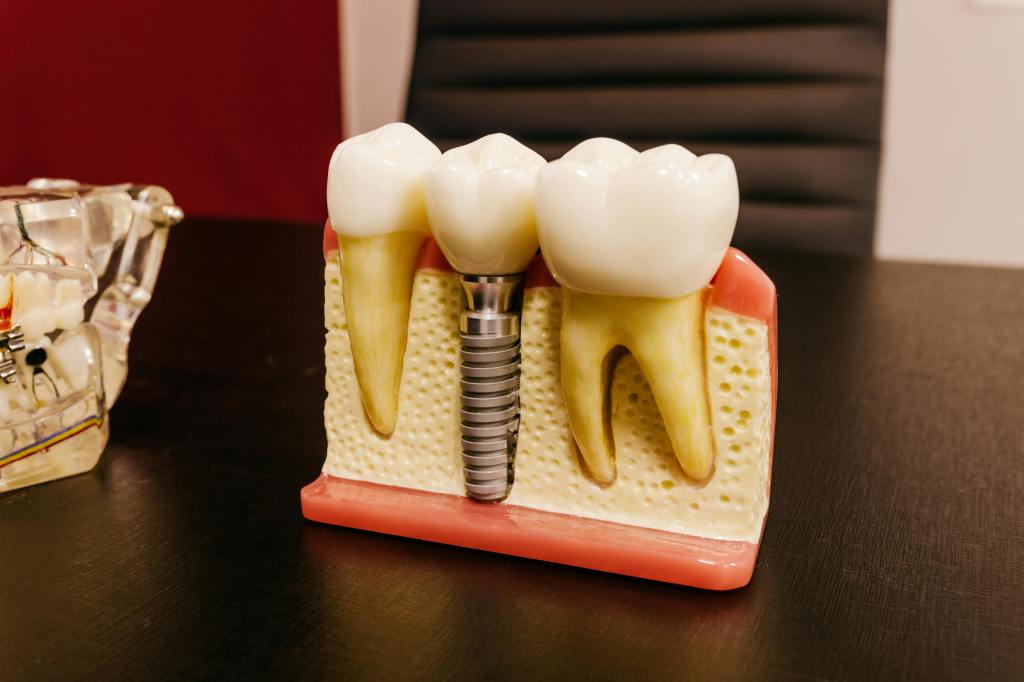
At first glance, losing a single tooth might not seem life-altering. Many people assume they can adapt, chew on the other side, or simply avoid smiling too widely. But the human mouth works as a coordinated system, and even one missing tooth can disrupt that balance. A single dental implant does more than fill an empty space—it restores harmony in ways that often surprise patients.
Restoring Structural Balance in Your Mouth
Think of your teeth as a team. Each one plays a role in distributing pressure when you bite and chew. When a tooth is lost, that pressure shifts unevenly. Over time, this imbalance can strain certain teeth and jaw joints.
A single dental implant acts as a replacement root and crown, restoring structural integrity to your bite. Because it is anchored directly into the jawbone, it absorbs chewing forces similarly to a natural tooth. This prevents overloading neighboring teeth and helps maintain long-term balance within your mouth.
Preventing the Domino Effect of Tooth Movement
Teeth naturally drift toward empty spaces. When one tooth is missing, the surrounding teeth may slowly shift into the gap. The opposing tooth can also begin to move downward or upward due to lack of contact.
This gradual movement can alter your bite alignment, making it harder to clean between teeth and increasing the risk of decay or gum disease. Single dental implants effectively stop this domino effect. By occupying the space with a stable replacement, they preserve your natural alignment and protect your smile’s structure.
Supporting Jaw Joint Comfort
Your temporomandibular joints (TMJ) rely on a balanced bite to function smoothly. When teeth are missing and chewing becomes uneven, it can place extra strain on these joints. Some people may experience mild jaw discomfort, tension, or headaches as a result.
By restoring a complete bite, a dental implant helps distribute forces evenly across your teeth and jaw. This can reduce unnecessary stress on the TMJ and contribute to improved overall comfort during daily activities like eating and speaking.
Improving Nutritional Choices
When chewing feels uncomfortable or unstable, people often unconsciously change their diet. Harder or more fibrous foods may be avoided, leading to fewer fresh fruits, vegetables, or protein-rich options.
A single dental implant provides the strength and stability needed to comfortably chew a wide range of foods. With a secure bite, you are less likely to restrict your diet. This improvement can positively affect your nutrition and overall health, allowing you to maintain a more balanced and satisfying meal plan.
Preserving Your Natural Smile Aesthetics
Even if the missing tooth is not in the front, gaps can influence the way your smile looks. Teeth around the space may tilt slightly, creating subtle asymmetry. Over time, bone loss in the area may affect the contour of your gums.
An implant-supported crown is custom-designed to match your existing teeth in color, shape, and proportion. Once placed, it blends seamlessly into your smile. This restoration helps maintain consistent gum lines and balanced proportions, preserving your natural appearance.
Enhancing Psychological Comfort
There is a psychological component to tooth loss that often goes unspoken. Even when others do not notice the gap, you likely do. That awareness can create hesitation in social settings or cause you to think twice before smiling broadly.
A single dental implant eliminates that constant reminder. It becomes part of you—fixed, reliable, and natural in appearance. Many patients describe feeling a renewed sense of normalcy after treatment, as though something that had been missing physically and emotionally has been restored.
Offering Stability Without Compromise
One significant advantage of a single dental implant is that it does not require altering neighboring teeth. Unlike some alternatives that depend on adjacent teeth for support, an implant stands independently.
This independence preserves healthy tooth structure and reduces the risk of future complications. It allows you to address the missing tooth without compromising the integrity of surrounding teeth, making it a conservative yet durable solution.
Encouraging Long-Term Confidence in Oral Care
Replacing a missing tooth often motivates individuals to pay closer attention to their oral health. When you invest in restoring your smile, you may become more committed to regular dental visits and consistent hygiene habits.
A single dental implant is easy to care for with brushing, flossing, and routine check-ups. Its presence can reinforce the importance of preventive care, supporting a healthier mouth for years to come.
Conclusion
The benefits of a single dental implant extend far beyond filling a visible gap. It restores structural balance, prevents unwanted tooth movement, and supports jaw joint comfort. It allows you to enjoy a varied diet, maintain facial contours, and preserve your natural smile aesthetics. Just as importantly, it rebuilds psychological comfort and confidence.
Replacing one missing tooth may seem like a small decision, but its impact can ripple through many aspects of your daily life. By restoring stability and function with a solution designed to mimic a natural tooth, you protect not only your oral health but also your overall well-being and self-assurance.


 Lovely Lavender
Leave a comment