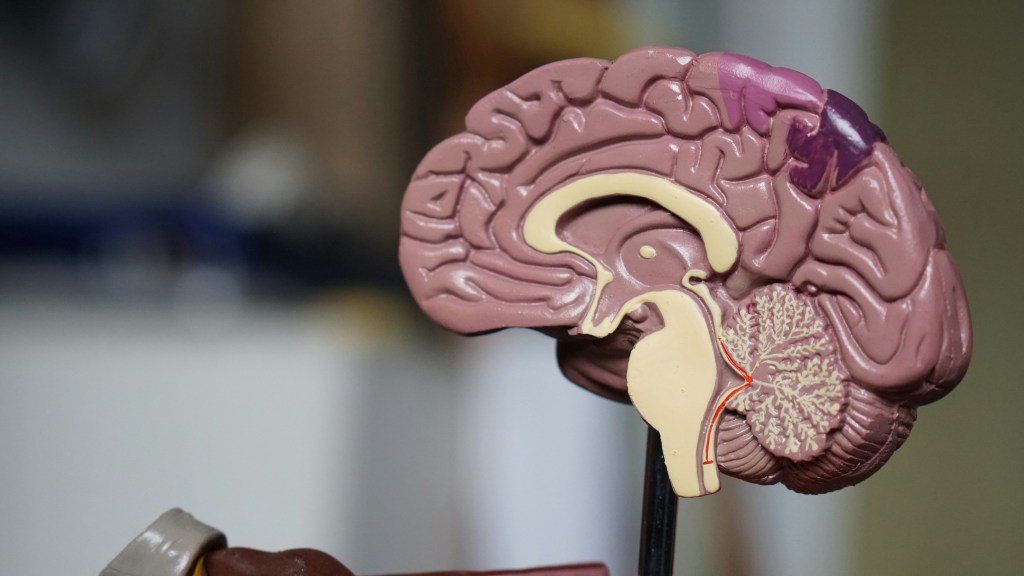
Memory is a vital cognitive function that helps us learn, retain information, and navigate everyday tasks. As we age or encounter stress, it’s normal to experience occasional lapses in memory, but there are ways to boost your brainpower and improve recall. By incorporating healthy habits and memory-boosting techniques into your routine, you can sharpen your memory and keep your mind strong. Here are five tips to enhance memory and cognitive function.
1. Exercise Your Brain with Mental Challenges
Just as physical exercise strengthens your muscles, mental exercise is essential for keeping your brain sharp. Engaging in activities that challenge your mind can stimulate new neural connections and improve memory.
- Brain games: Puzzles like Sudoku, crosswords, or memory games can help improve cognitive skills and recall. Apps like Lumosity or Peak offer scientifically designed brain training exercises that target memory, attention, and problem-solving skills.
- Learn something new: Trying new activities such as learning a musical instrument, picking up a new language, or even exploring a new hobby can engage different parts of your brain and help it stay flexible and sharp.
Incorporating mental challenges into your daily routine can boost cognitive function and improve memory over time.
2. Stay Physically Active
Regular physical activity has been shown to improve brain health and memory. Exercise increases blood flow to the brain, delivering oxygen and nutrients essential for maintaining cognitive function.
- Aerobic exercise: Activities like walking, jogging, swimming, or cycling have been linked to better memory performance and a reduced risk of cognitive decline.
- Strength training: Lifting weights or doing body-weight exercises can also help boost brain function by improving circulation and overall health.
Aim for at least 30 minutes of moderate exercise most days of the week to support both your physical and mental health. Even activities like gardening or dancing can contribute to improved memory.
3. Prioritize Sleep
Sleep plays a critical role in memory consolidation, the process by which short-term memories are transferred into long-term storage. When you don’t get enough sleep, your brain struggles to process and retain information.
- Get 7-9 hours of sleep: Most adults need 7-9 hours of quality sleep per night to function at their best. Poor sleep has been linked to memory problems, reduced cognitive function, and difficulty learning new information.
- Improve sleep hygiene: Establish a bedtime routine, avoid screens before bed, and create a relaxing sleep environment to ensure restful sleep. Reducing caffeine intake and avoiding heavy meals late at night can also help you fall asleep more easily.
Prioritizing rest can lead to clearer thinking and better memory retention throughout the day.
4. Eat a Brain-Boosting Diet
The food you eat plays a significant role in brain health. Certain nutrients can support cognitive function, improve memory, and protect the brain from aging.
- Omega-3 fatty acids: Found in fatty fish like salmon, mackerel, and sardines, omega-3s are crucial for brain health and can improve memory and cognition. If you’re not a fan of fish, consider taking a fish oil supplement or incorporating plant-based sources like flaxseeds and walnuts into your diet.
- Antioxidants: Foods rich in antioxidants, such as blueberries, dark leafy greens, and nuts, help protect the brain from oxidative stress, which can lead to cognitive decline.
- Whole grains: Whole grains like oats, quinoa, and brown rice provide a steady supply of energy to the brain, promoting focus and memory.
A balanced diet rich in these nutrients can help improve cognitive function and protect your memory over time.
5. Practice Mindfulness and Stress Management
Chronic stress and anxiety can take a toll on the brain and impair memory. Practicing mindfulness and finding effective ways to manage stress can help protect your cognitive health and improve recall.
- Meditation: Studies have shown that mindfulness meditation can increase the thickness of the hippocampus, the part of the brain associated with memory. Meditation also reduces stress, which can negatively affect cognitive function.
- Deep breathing exercises: Incorporating breathing exercises, yoga, or tai chi into your daily routine can help reduce stress and support brain health.
- Take regular breaks: Overworking or multitasking can overwhelm your brain and impair memory. Taking short breaks throughout the day and focusing on one task at a time can improve cognitive function and reduce mental fatigue.
By managing stress and practicing mindfulness, you can create a calmer, more focused mind, making it easier to retain information and recall memories when needed.
Improving memory involves a combination of mental, physical, and lifestyle habits. By challenging your brain with new activities, staying physically active, prioritizing sleep, eating a nutrient-rich diet, and managing stress, you can boost your cognitive function and sharpen your memory. With consistent practice, these tips can help you maintain a sharp and healthy mind throughout life.



 Lovely Lavender
Leave a reply to 5 Ways to Build Your Mind-Body Connection – Lovely Lavender Cancel reply